Customers & pipeline
Keep customer conversations, opportunities and next steps connected.
Connect your sales pipeline, production and finance around every customer order.
Status: Draft → Submitted → Approved follows the valid OrderAcceptance decision after current customer acceptance, credit exposure, prices/margins, product specifications and dispatch-title terms are satisfied.
Approval waits for the sales manager.
Illustrative records derived from the system specification.
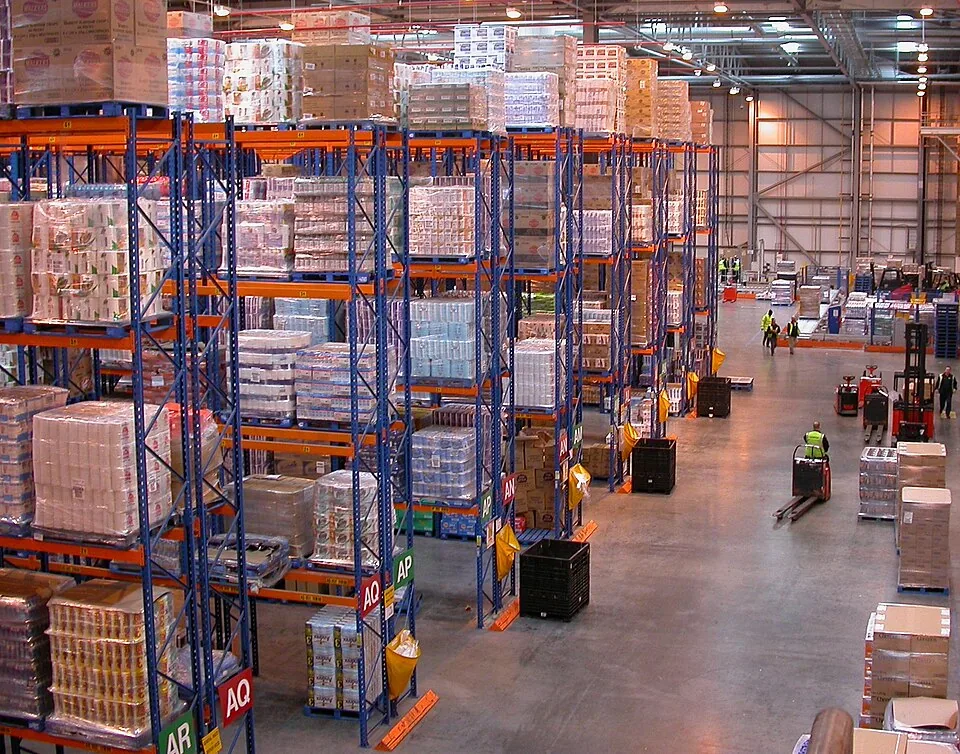
Sales, production and finance teams coordinating discrete manufacturing across companies and plants.
Defined in the planned system specification.
Connect your sales pipeline, production and finance around every customer order.
Keep customer conversations, opportunities and next steps connected.
Turn agreed offers into clear production and delivery commitments.
Plan each job's materials and operations from the right engineering revision.
Give operators clear work and follow each job through production and inspection.
Turn supply requests into approved purchases and reconcile what arrives with what suppliers bill.
Track stock through receiving, production and customer shipment.
Connect customer receivables, supplier payables and stock costs to each entity's books.
See customer commitments, production progress and financial results together.
Status: Draft → Submitted → Approved follows the valid OrderAcceptance decision after current customer acceptance, credit exposure, prices/margins, product specifications and dispatch-title terms are satisfied.
Approval waits for the sales manager.
Visible to: Finance Manager, Purchasing Manager. Visibility does not establish approval authority.
Another eligible Purchasing Manager within reviewed finite authority, or Finance Manager above it, approves the exact entity/currency commitment; no person approves their own PO.
Visible to: Finance Manager, Warehouse Manager. Visibility does not establish approval authority.
Approval conditions.
Status: Draft → PendingApproval → Approved → Posted requires the current InvoiceApproval decision;
Approval waits for the finance manager.
| Inspection Number | Product | Plan | Lot | Planned Start |
|---|---|---|---|---|
| QI-96241 | PRD-9173 | IP-74160 | LTS-31394 | 19 Sep |
| QI-43571 | PRD-7228 | IP-17854 | LTS-61583 | 11 Sep |
| QI-48267 | PRD-8266 | IP-58313 | LTS-40921 | 29 Sep |
| QI-30139 | PRD-3418 | IP-84363 | LTS-96153 | 27 Sep |
| QI-45325 | PRD-1393 | IP-15876 | LTS-45807 | 25 Sep |
| QI-34475 | PRD-9652 | IP-60872 | LTS-51480 | 16 Sep |
| Receipt Number | Account | Received At | Currency | Unapplied Amount |
|---|---|---|---|---|
| CR-10570 | ACC-120 | 16 Sep | CRR-9839 | 850 |
| CR-39831 | ACC-120 | 10 Sep | CRR-8021 | 840 |
| CR-17616 | ACC-140 | 12 Sep | CRR-2077 | 180 |
| CR-68307 | ACC-110 | 04 Sep | CRR-1911 | 30 |
| CR-33683 | ACC-150 | 09 Sep | CRR-5530 | 170 |
| CR-49352 | ACC-110 | 03 Sep | CRR-6923 | 920 |
| Opportunity Number | Name | Account | Expected Net Amount | Currency |
|---|---|---|---|---|
| OPP-33000 | Opportunity 266 | ACC-110 | 660 | CRR-8379 |
| OPP-92804 | Opportunity 917 | ACC-110 | 380 | CRR-4498 |
| OPP-92781 | Opportunity 724 | ACC-140 | 260 | CRR-8366 |
| OPP-80466 | Opportunity 132 | ACC-130 | 70 | CRR-5488 |
| OPP-94920 | Opportunity 502 | ACC-110 | 430 | CRR-1098 |
| OPP-13485 | Opportunity 934 | ACC-140 | 40 | CRR-6575 |
| Contact Code | Account | Name | Title | Purpose |
|---|---|---|---|---|
| CC-868 | ACC-150 | Person 399 | Active cp-663 | Billing |
| CC-157 | ACC-150 | Person 565 | Active cp-179 | Ordering |
| CC-182 | ACC-130 | Person 673 | Active cp-175 | Delivery |
| CC-484 | ACC-150 | Person 453 | Active cp-252 | General |
| CC-221 | ACC-150 | Person 410 | Active cp-237 | Billing |
| CC-581 | ACC-120 | Person 847 | Active cp-172 | Ordering |
| Entity | Product | Warehouse | Location | Lot |
|---|---|---|---|---|
| ENT-7643 | PRD-8835 | WRH-120 | LCT-120 | LTS-84015 |
| ENT-6766 | PRD-1912 | WRH-110 | LCT-110 | LTS-18867 |
| ENT-8113 | PRD-1699 | WRH-110 | LCT-110 | LTS-54200 |
| ENT-7172 | PRD-5534 | WRH-150 | LCT-120 | LTS-20242 |
| ENT-1585 | PRD-8863 | WRH-130 | LCT-110 | LTS-42133 |
| ENT-1341 | PRD-3666 | WRH-110 | LCT-110 | LTS-85195 |
Historical OpportunityHistory and locked SalesForecastLines by entity/customer/owner/stage and expected-close cohort, with unknown values and current/actual close/reopen separately disclosed; weighted estimates, accepted quote bookings and approved order commitments are different measures and never manufacturing demand by themselves.
opens Customer Pipeline →| Opportunity Number | Name | Account | Expected Net Amount | Currency |
|---|---|---|---|---|
| OPP-33000 | Opportunity 266 | ACC-110 | 660 | CRR-8379 |
| OPP-92804 | Opportunity 917 | ACC-110 | 380 | CRR-4498 |
| OPP-92781 | Opportunity 724 | ACC-140 | 260 | CRR-8366 |
| OPP-80466 | Opportunity 132 | ACC-130 | 70 | CRR-5488 |
ownerSales Representative
Go from the big picture to the details behind it. Open any record to see its status, owner and history.
Illustrative records. Connections and approval states follow the authored specification.
From customer demand to finished goods.
Illustrative previews from the system specification.
Prepare the right products, quantities and price for the customer.
Review the agreed order before committing stock and production.
An independent Sales Manager confirms the agreed quantities, pricing and delivery terms.
Prepare the finished goods and track the actual shipment.
Review shipped quantities and agreed amounts before billing.
An independent Finance Manager checks the shipment and amounts before the invoice is released.
Match confirmed receipts to invoices and keep open balances clear.
Decision checkpoints where approval stays with your team.
An independent Sales Manager confirms the agreed quantities, pricing and delivery terms.
An independent Finance Manager checks the shipment and amounts before the invoice is released.
Human approval and system automation have different jobs.
An independent Sales Manager confirms the agreed quantities, pricing and delivery terms.
An independent Finance Manager checks the shipment and amounts before the invoice is released.
Owns assigned customer relationships, qualification, offers and proposed customer commitments.
Independently accepts customer orders and controls commercial exceptions and forecast review.
Prepares supplier commitments and resolves commercial supply issues.
Prepares engineering, material requirements and feasible production plans against approved demand.
Independently controls technical versions, approved manufacturing demand and production release.
Coordinates assigned work and independently confirms actual operation/time and terminal completion evidence.
Records actual assigned shop-floor work, material handling and work-in-process transfers.
Owns actual inspection evidence and independent release of exact incoming, in-process and finished scope.
Records independent physical receiving, stock moves, picks, dispatch and returns.
Controls warehouse eligibility, stock transfers, counts and shipment readiness.
Prepares each entity's local invoices, bills, journals, reconciliations and guarded cash allocations.
Independently controls credit, valuation, payments and financial close in each entity.
Start with the question. Follow it to the records behind the answer.
Historical OpportunityHistory and locked SalesForecastLines by entity/customer/owner/stage and expected-close cohort, with unknown values and current/actual close/reopen separately disclosed; weighted estimates, accepted quote bookings and approved order commitments are different measures and never manufacturing demand by themselves.
View Customer PipelineApproved SalesOrderLines by customer/order/product, original promise and accepted scope, with actual dispatch, customer delivery, invoicing, returns, approved cancellation and remaining quantities from unique allocations; partial and open overdue cohorts remain visible and returns never erase actual original dispatch.
View Sales Orders Awaiting ApprovalEach MRPRuns snapshot's approved demand, forecast consumption, eligible supply, pegged shortage/proposals and WorkCenterLoads versus nonoverlapping calendar capacity; proposed, firm and completed quantities are separate, late/missing/held inputs remain exceptions rather than assumed available stock.
View Work Center ScheduleUnique terminal ProductionCompletions, accepted material/person-hour/machine-hour bases, actual WIP relief, frozen-standard output and separately posted immediate/scrap/remaining-close variances by work order; intermediate/rework throughput never increases finished units and no variance is counted again at close.
View Manufacturing DemandActual inspected population/sample/characteristic results, independent disposition, active hold and exact lot/serial input-to-output/dispatch/return lineage; first-pass yield uses unique eligible units at their first completed pass, rework separately disclosed, missing/incomplete inspections excluded from passed denominators and shown as pending.
View Inspection QueueAs-of net posted StockMovements and remaining StockLayers by entity/product/site/location/lot/serial, separating available, held, picked, unissued production staging and same-entity transit, with issued material/WIP shown separately from WorkOrderCostEntries; quantities/value reconcile once to inventory and WIP controls, supplier arrivals not yet accepted shown separately without owned value.
View Warehouse AvailabilityPosted net revenue/credits and exact associated title-issue/customer-return costs for the same entity/customer/product quantity cohort; partial/unbilled/unpriced quantities are disclosed and zero net revenue gives unavailable percentage, not fabricated margin.
View Customer PipelineAs-of posted debit balances net actual allocations/credits/corrections by entity/party/document currency and due-date bucket, with functional carrying reconciliation; unapplied cash, supplier prepayments and surplus credits remain separate and are never silently netted across parties/entities.
View Unapplied Customer CashActual bank/statement matches, unsettled and uncertain instructions, reserved source balances, unapplied customer cash and supplier prepayment/credit/return chains by entity/currency; transport responses do not stand in for settlement.
View Unapplied Customer CashPosted JournalLines at each entity's period cutoff produce trial balance, income statement and balance-sheet mappings, with source-reconciled control balances; each legal entity balances independently without automatic consolidation, foreign-operation translation or eliminations.
View Warehouse AvailabilityLet your AI agent help with everyday work. Set its permissions during setup and keep approvals with your team.
List the work that needs attention. Keep the approval with the assigned reviewer.
Download agent Agent setup guide$ curl -fsSL https://www.erp.ai/skill.md
› open Manufacturing ERP & CRM and list records waiting on sales order
Order-to-cash · records listed with owner and age
› approve the first one at sales order, as its approverHow the system works, what you can configure and how to get started.
Select Start now to create your account. Explore the system specification, or use Proto to configure it for your business.
Customer records, leads and opportunities, quotes and orders, engineering and material planning, shop-floor work and quality, purchasing, inventory, shipping and local finance. The system connects the accepted customer commitment with the work needed to produce, deliver and invoice it.
An opportunity tracks a commercial possibility. An accepted quote and independently approved order establish the customer commitment used in planning. Pipeline estimates, planning forecasts and firm orders remain distinct, so winning an opportunity does not automatically release a job or create the same demand twice.
Sales can follow authorized stock availability, order commitments and production progress. Planners review materials and work-centre capacity before arranging a feasible schedule. The original customer promise remains visible alongside reviewed changes and actual deliveries; a revised plan does not erase an earlier missed date.
An independent Sales Manager approves the accepted sales-order revision. An independent Finance Manager approves each invoice or credit revision. The person who prepared or materially changed the document cannot supply its independent approval. Separate credit, engineering, quality and cost decisions still apply where required.
The scope includes product-quantity forecasts, material requirements planning and production scheduling against working calendars and capacity. Accepted orders consume the applicable approved forecast. Planners review recommendations before firming supply or releasing work; the scope does not promise an automatic plant-wide scheduling optimizer.
Released work retains its approved bill of materials, routing, units and required checks. Engineering changes create reviewed successors. Applying a change to work already underway requires an explicit decision about the remaining work; it cannot silently rewrite material consumption, completed output or earlier approvals.
The relevant quantity remains held until the required independent quality decision and any rework or correction are complete. Inspection results follow the applicable plan and actual goods. A first-article or partial acceptance releases only its defined scope, without approving the rest of an order by implication.
Yes, the model retains accepted final output, shipments and invoice quantities separately. Each partial action uses only the remaining eligible quantity and value. Intermediate operation counts do not multiply finished goods, and invoicing a shipment does not issue its stock or production cost again.
Each legal entity retains its own stock ownership, ledger and authority. Document currencies and reviewed conversion rates remain with the transaction, with local receivables, payables and period close. Shared records or locations do not automatically combine company balances; group consolidation is outside the baseline scope.
Assistants can help authorized people prepare work, summarize customer or production history and investigate exceptions. They use the same current access restrictions. Required human approvals, quality results and actual physical or bank outcomes still need their proper evidence; an assistant cannot invent them or bypass an unresolved decision.
Ordinary manual work has no per-user fee. Machine requests, retained data beyond the included allowances, agents and model usage follow the platform rate card. Implementation is separate. See pricing for the complete rates, credit packs and model-fee treatment.
Plan a rollout around the customer order and the people who deliver it.
Read the implementation planConfirm the entities, sites, product families, customer and supplier identities, currencies and accounts. Agree the responsibilities for sales acceptance, engineering and work release, operation reporting, quality decisions and financial review. Document which stages are proposals, approvals and actual events.
Plant and ERP.aiSet up approved units, bills of material, routings, inspection requirements, calendars, rates and cost standards. Exercise a customer opportunity through accepted order, planning, purchasing, production, shipment, invoicing and cash. Include changed orders, partial receipts and output, shortages and quality holds.
Plant and ERP.aiMap accepted open commitments, stock and cost layers, work in progress, completed or shipped quantities, receivables, payables and cash. Reconcile one opening ledger with nonposting detail and retained historical identities. Repeated imports must not issue material, receive finished goods, send old documents or post balances again.
Plant and ERP.aiConfirm access, independent decisions, source reconciliations and connected failure handling with the responsible teams. Train people on normal work and exceptions, agree the cutoff and opening approvals, then enable eligible new operating work. Expand to additional products or sites after reviewing the first scope's results.
Plant and ERP.aiThe base account and ordinary manual work in ERP.AI's official interface are $0. Viewing, searching, creating, editing, approving, deleting and exporting records in that interface do not consume read or write credits. There is no per-user fee.
Machine work: external API-key requests, imports, workflows, agents and scheduled jobs. Successful external API-key reads and writes use the operation rates below. Starting a managed execution from the interface still starts that metered service.
Pricing and account rules| Machine work | Included per $1 of credit |
|---|---|
| List/filter or get record calls | 20,000 |
| Search or aggregate calls | 4,000 |
| CSV or PDF exports | 100 |
| Record writes | 4,000 |
| Imported or synced records | 200,000 |
| File upload in MB | 2,000 |
| Workflow runs | 2,000 |
| Code-node compute beyond included in CPU-sec | 12,000 |
| Agent executions | 2,000 |
| Scheduled jobs or webhook activations | 20,000 |
Read and write rates apply to successful external API-key requests. Ordinary manual work in the ERP.AI interface is $0.
prepaid creditsSmallest pack $5, purchased credits never expire.
Follow the operating model from the process to the people, records and decisions behind it.